
Fort Worth homeowners: we repair your sewer lines in 3–5 days with no excavation, no disruption, and no reason to leave your home. From century-old clay tile lines in Historic Southside to under-slab cast iron in Tanglewood — Tarrant County’s trenchless pipe lining experts have seen it all and fixed it all.

23+ Years of Pipe
Lining Experience

1,000+ Verified
Customer References

Repairs Completed
in 3–5 Days

50-Year Transferable
Warranty

A+ BBB Accredited
Licensed & Insured
Fort Worth’s Trenchless Pipe Lining Specialists
Fort Worth is one of the oldest cities in North Texas — and that history shows up underground. Depending on your neighborhood and when your home was built, your sewer lines could be original clay tile from the early 1900s, Orangeburg fiber pipe from the mid-century years, or cast iron from the post-war building boom. Each of these materials has a finite lifespan, and many Fort Worth homes have long since passed it.
Add in the relentless movement of Tarrant County’s expansive clay soil, the moisture pressure along the Trinity River floodplain, and some of the most aggressive tree root systems in North Texas — and it’s no surprise that sewer line failures are one of the most common and costly problems Fort Worth homeowners face.
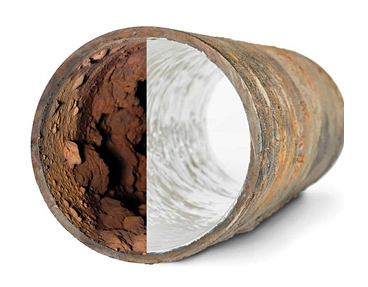
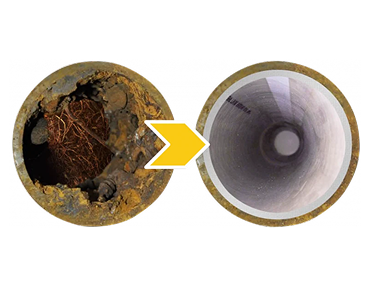
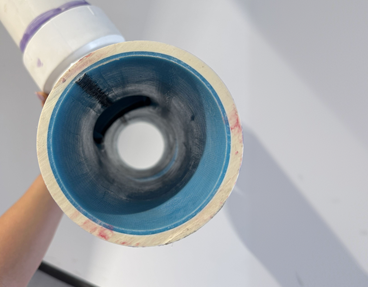
At Trenchless Pipe Lining, we rehabilitate failing sewer and drain lines throughout Fort Worth without a single shovel entering the ground. We work through your existing clean-out access points, lining the inside of your old pipe with a new, seamless epoxy or CIPP liner — permanently restoring function in 3 to 5 days, and backing every job with a 50-year transferable warranty.
Warning Signs Fort Worth Homeowners Shouldn’t Ignore
Fort Worth’s oldest neighborhoods have sewer infrastructure that was built long before modern plumbing codes existed. Here’s what to watch for — especially if your home predates 1990.
Drains That Slow Down After Heavy Rain
When Fort Worth gets a significant rainstorm, the city’s combined clay soil and aging drainage infrastructure can become overwhelmed. If your indoor drains slow noticeably after heavy rainfall, your sewer line may be taking on groundwater through cracks or deteriorated joints — a sign of structural damage that won’t improve on its own.
Sewage Odors That Come and Go
Intermittent sewer smells — stronger some days than others, sometimes indoors, sometimes in the yard — are a hallmark of a cracked or partially blocked main line. In Fort Worth’s older homes, this often signals clay tile joints that have crumbled or cast iron that has developed through-cracks from years of soil movement.
Drains That Never Fully Clear
If professional cleaning keeps your drains flowing for a few weeks before they slow again, you’re not solving the underlying problem. Recurring blockages in Fort Worth homes are almost always caused by structural issues — root intrusion through compromised joints, pipe belly caused by soil settlement, or sections of pipe that have partially collapsed.
Water Pooling Near the Foundation
Standing water or consistently damp soil against your foundation — especially along the Trinity River corridor where soil moisture runs higher — can indicate a leaking sewer line below grade. Left unaddressed, this saturates the clay, drives uneven foundation movement, and turns a pipe problem into a structural one.
Gurgling Sounds From Multiple Fixtures
Gurgling from a toilet when the kitchen sink drains, or vice versa, is a classic sign that air is being displaced by a partial blockage somewhere in the main line. In Fort Worth’s older neighborhoods, this is frequently caused by root intrusion from the mature oaks, pecans, and cottonwoods that line established streets.
A Home Built Before 1980 With No Inspection History
Even without obvious symptoms, any Fort Worth home built before 1980 with no documented sewer inspection is a candidate for a camera assessment. Clay tile and Orangeburg pipes installed in mid-century Tarrant County homes have often exceeded their design life by decades — and the failure mode is rarely gradual.
Trenchless Pipe Lining Services
in Fort Worth, TX
Fort Worth’s pipe landscape is more varied than most Texas cities — with materials ranging from pre-war clay tile to mid-century Orangeburg to post-war cast iron. We start every project with a video camera inspection to identify exactly what you have and what it needs, then recommend the right lining method for your specific situation.
Trenchless Pipe Lining vs.
Traditional Excavation
In a city with Fort Worth’s mix of historic properties, mature landscaping, and tight residential lots, the disruption of traditional excavation is especially costly. Here’s how the two approaches compare:
| Traditional Pipe Excavation | Trenchless Pipe Lining |
|---|---|
| Takes 4–8 weeks from start to finish | Completed in just 3–5 days |
| Costs $40,000–$50,000 on average | Costs $10,000–$20,000 on average |
| Yard, driveway, and hardscapes excavated | Zero impact to yard, driveway, or hardscapes |
| Tunneling under slabs risks foundation integrity | No tunneling — existing access points only |
| Flooring, tile, and cabinets must be removed | Floors, tile, and cabinets remain completely untouched |
| Disrupts historic landscaping and mature trees | Mature trees and landscaping fully protected |
| You may be required to vacate during repairs | Stay in your home from start to finish |
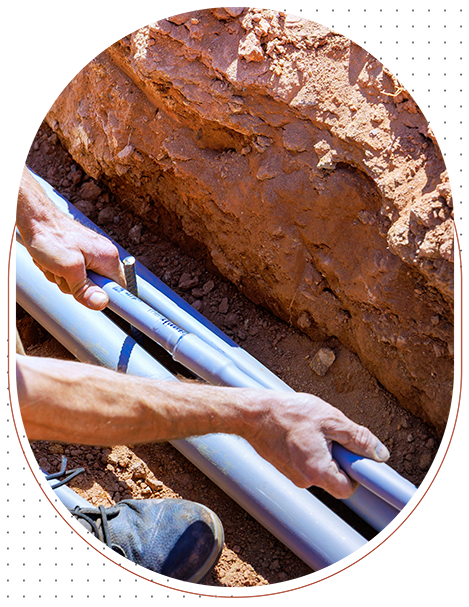
For homeowners in Fort Worth’s historic districts — where original landscaping, masonry, and hardscapes can be irreplaceable — avoiding excavation isn’t just a convenience. It’s the only responsible choice.
Why Fort Worth Homeowners Choose Trenchless Pipe Lining
We’ve worked throughout the DFW area for over 23 years — including Fort Worth’s oldest and most character-rich neighborhoods. Here’s what sets us apart from general plumbing contractors in Tarrant County.
Why Fort Worth’s Sewer Infrastructure Is in a Category of Its Own
No two Texas cities have the same pipe problem — and Fort Worth’s combination of age, soil, and environment creates a set of challenges that most plumbing companies aren’t equipped to handle well. Here’s what makes Fort Worth unique:
Three Generations of Failing Pipe Materials
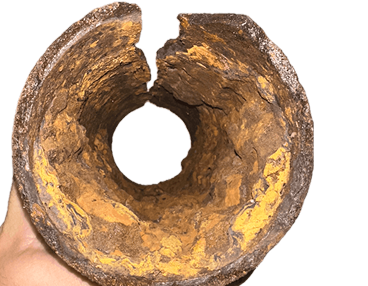
Fort Worth’s housing stock spans a wider range of construction eras than most DFW suburbs. Homes in Historic Southside and Fairmount may still have original clay tile sewer laterals from the early 1900s — brittle, crumbling connections that have long exceeded their 60-to-80-year lifespan. Mid-century homes in Ryan Place and Berkeley Place often contain Orangeburg pipe, a fiber-based material installed post-WWII that was only ever rated for 30 to 40 years of service. And homes built through the 1970s and ’80s in neighborhoods like Tanglewood and Ridglea Hills have under-slab cast iron that is now corroding at an accelerating rate. Pipe lining addresses all three — without excavation.
The Trinity River Floodplain Effect
Properties near the Trinity River corridor — including Historic Southside, Ryan Place, and the Near Southside — sit on alluvial soils with persistently higher moisture content than the surrounding clay uplands. That sustained moisture keeps underground soil in a semi-expanded state, putting continuous lateral pressure on aging pipe joints and dramatically accelerating corrosion in cast iron and clay tile lines. It also makes tree root intrusion more severe: Fort Worth’s cottonwoods, in particular, send aggressive surface roots into any available moisture source, including cracked sewer lines.
Freeze-Thaw Cycles Add Hidden Stress
Unlike the southern parts of the DFW metro, Fort Worth experiences enough freeze-thaw cycling through winter to create additional stress on underground pipe joints. Water that infiltrates a cracked joint, freezes, and expands can widen a small gap into a significant break — particularly in the clay tile and early cast iron lines found throughout Fort Worth’s established neighborhoods. What appears as a minor seepage problem in November can become a collapse by spring.
Historic Properties Demand a No-Dig Approach
Many of Fort Worth’s most desirable neighborhoods — Fairmount, Mistletoe Heights, Westover Hills — include homes with original masonry, mature perimeter plantings, and hardscape features that simply cannot be reconstructed after excavation. For these properties, trenchless pipe lining isn’t just preferable — it’s the only repair method that preserves the character and value of the home. We specialize in exactly these situations.
Fort Worth Neighborhoods We Serve
What Fort Worth Homeowners Are Saying
Real experiences from Fort Worth residents who chose trenchless pipe lining over traditional excavation.