

23+ Years of Pipe
Lining Experience

1,000+ Verified
Customer References

Finished in 3–5 Days
Stay in Your Home

50-Year Transferable
Warranty

A+ BBB Accredited
Licensed & Insured
Plano’s
Go-To Trenchless Pipe Repair Specialists
Plano’s rapid growth through the 1970s, ’80s, and ’90s left tens of thousands of homes sitting on slab foundations with original cast iron sewer lines running directly beneath them. Those pipes are now 30 to 50 years old — and they’re reaching the point where corrosion, cracking, and root intrusion become unavoidable.
Making matters worse, Plano sits squarely on Blackland Prairie clay — some of the most expansive soil in North Texas. It swells when it rains and shrinks in the summer heat, shifting pipe sections, opening joints, and creating entry points for the root systems of Plano’s mature live oaks, red oaks, and pecans.
At Trenchless Pipe Lining, we restore Plano sewer and drain lines from the inside out — without a single shovel breaking ground on your property. No tunneling. No flooring removed. No disruption to your daily routine. Just a fast, permanent fix backed by a 50-year warranty.
Signs Your Plano Home May Have a Sewer Line Problem
Because Plano’s sewer lines run beneath slab foundations, problems can quietly worsen for months before they become obvious. Here’s what to watch for:
Multiple Slow Drains Throughout the House
When more than one fixture drains slowly at the same time — kitchen sink, bathroom, laundry — it almost always points to a problem in the main sewer line, not a local clog. This is especially common in Plano homes built in the 1970s and ’80s.
Sewage Backing Up Into Tubs or Showers
Sewage appearing in your tub or shower after flushing a toilet is one of the clearest indicators of a blocked or damaged main line. In Plano, this is frequently caused by root intrusion or a collapsed section of aging cast iron pipe.
Sewer Odors Inside or Outside the Home
A persistent sewage smell — whether inside the house or near your yard — signals that gas is escaping through a crack or break in your sewer line. This is both a plumbing problem and a health concern that should be addressed quickly.
Unusually Green or Wet Spots in the Yard
Patches of grass that are significantly lusher or wetter than the surrounding lawn, especially near the Spring Creek corridor or low-lying areas of your property, can indicate a slow sewer leak beneath the surface.
Foundation Movement or Unexplained Cracks
In Plano, sewer line leaks and foundation movement often work together. A leaking sewer line saturates the clay beneath your slab, causing it to swell and heave unevenly. If you’re seeing new interior cracks alongside plumbing symptoms, your sewer line may be involved.
Recurring Backups Despite Professional Cleaning
If you’ve had your drains snaked or cleaned multiple times and the problem keeps coming back, you’re treating symptoms — not the cause. Persistent blockages in Plano homes almost always point to structural pipe damage or severe root intrusion that requires lining, not cleaning.
Trenchless Pipe Lining Services in Plano, TX
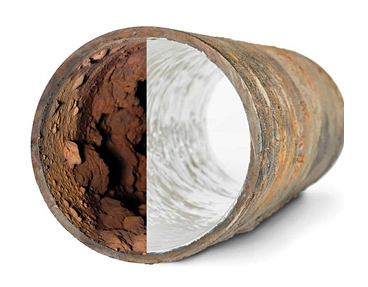
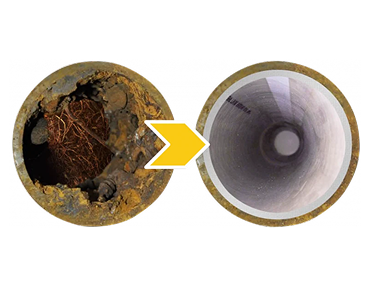
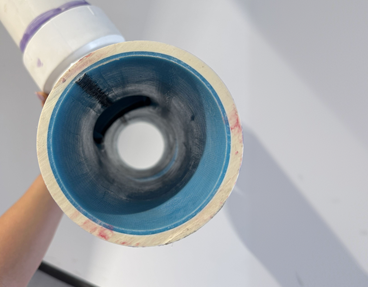
We offer three proven no-dig solutions to match the specific type of pipe damage found in Plano homes. After a video inspection, we’ll recommend the right method for your situation.
Trenchless Pipe Lining vs.
Traditional Excavation
Plano homeowners are often quoted $40,000 or more for traditional sewer line replacement — plus months of disruption.
Here’s why trenchless lining is the smarter choice:
| Traditional Pipe Excavation | Trenchless Pipe Lining |
|---|---|
| Takes 4–8 weeks from start to finish | Completed in 3–5 days |
| Average cost: $40,000–$50,000 | Average cost: $10,000–$20,000 |
| Requires tunneling under your slab foundation | No tunneling — uses existing clean-out access points |
| Flooring, cabinets, and tile must be removed | Floors, cabinets, and tile stay completely intact |
| Risk of compounding foundation damage from tunneling | Protects your foundation — zero excavation under the slab |
| You may need to vacate your home entirely | Stay home throughout the entire repair process |
| Landscaping, yard, and hardscapes are destroyed | Zero impact to your yard, driveway, or landscaping |
The savings aren’t just financial — for a Plano homeowner, avoiding foundation risk alone makes trenchless lining the clear choice.
Why Plano Homeowners Choose
Trenchless Pipe Lining
There’s no shortage of plumbing companies in Collin County.
Here’s what makes us different — and why Plano homeowners keep calling us back.
Why Plano’s Sewer Lines Are Failing — and What You Can Do About It
Plano’s explosive growth from the 1970s through the 1990s created one of the most desirable suburbs in North Texas. It also created a ticking clock for tens of thousands of homeowners. Here’s the specific combination of factors driving Plano’s sewer line problems:
Blackland Prairie Clay Soil
Plano’s Blackland Prairie soil is among the most expansive in the country. During wet seasons, it absorbs moisture and swells with enormous force — shifting pipe sections out of alignment, pulling joints apart, and creating the low spots and pipe bellies where waste backs up. In dry summers, it contracts, leaving voids beneath your slab that pipes can crack and settle into. This cycle repeats year after year.
Hard Water Accelerating Corrosion
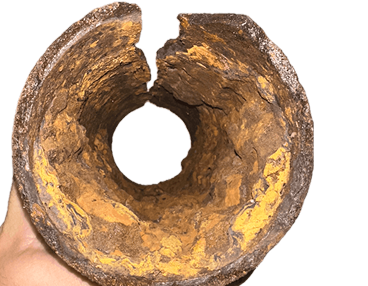
Plano’s water supply registers over 500 parts per million in total dissolved solids — well above the national average. That mineral-heavy water coats the interior of cast iron pipes with scale over time, reducing flow and accelerating the corrosion that eventually causes structural failure. Epoxy lining neutralizes this by replacing the rough, corroded surface with a smooth, chemically inert barrier.
The Root Intrusion Problem
Plano’s established neighborhoods are defined by mature landscaping — live oaks, red oaks, and pecans with root systems that can extend 100 feet from the trunk. Those roots are drawn toward the moisture inside even mildly cracked sewer lines. Once inside, they expand rapidly, turning a hairline crack into a total blockage within a single growing season.
A Compounding Foundation Risk
What makes Plano uniquely challenging is the feedback loop between sewer line failure and foundation movement. A leaking sewer line saturates the clay beneath your slab, causing heave. A shifting slab bends and cracks the pipes beneath it. The two problems make each other worse — and traditional tunneling only adds to the foundation risk. Trenchless lining breaks that cycle without making contact with the slab.
Plano Neighborhoods We Serve
What Plano Homeowners Are Saying
Real feedback from Plano residents who chose trenchless pipe lining over traditional excavation.