
What Is Trenchless Pipe Repair & How Does It Work?

When a sewer line problem appears, many homeowners assume the solution will involve digging—trenches across the yard, broken concrete, and major disruption. While that used to be the standard approach, modern technology has made it possible to repair sewer lines without excavation. As a result, more homeowners in Dallas and the surrounding areas are asking: what is trenchless sewer repair, and is it a reliable alternative?
Trenchless pipe repair allows damaged sewer lines to be restored from the inside rather than replaced through digging.
This approach helps preserve landscaping, foundations, and hardscaping—an important consideration for slab-on-grade homes and properties with established driveways and outdoor spaces throughout the DFW metroplex.
Here are the most important questions to consider when evaluating trenchless sewer repair.
What Is Trenchless Sewer Line Repair?
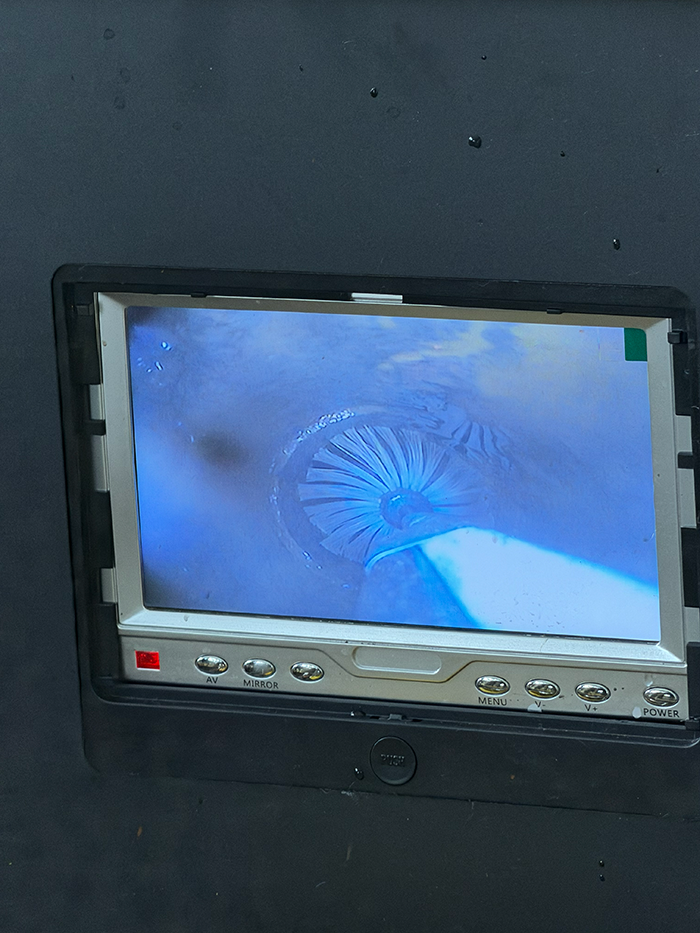
Trenchless sewer line repair is a method of restoring underground pipes without excavating the surrounding area. Instead of removing the existing pipe, technicians access it through existing entry points and repair the interior using specialized materials.
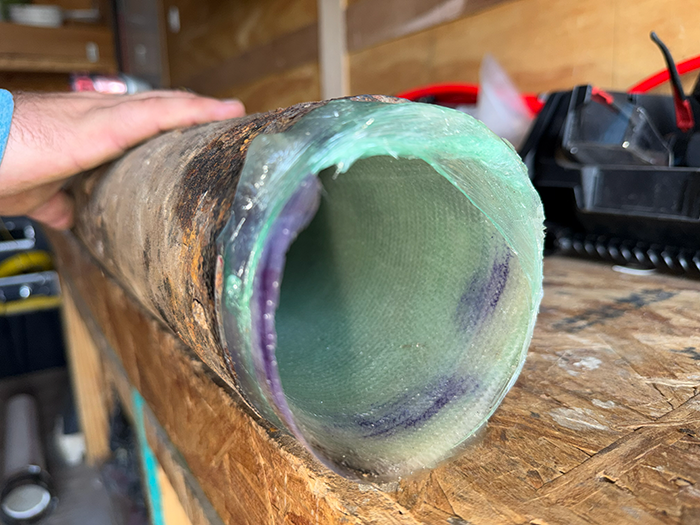
The most common approach is trenchless pipe lining. During this process, a flexible liner coated with epoxy resin is inserted into the damaged pipe. Once cured, it hardens into a seamless, corrosion-resistant pipe inside the original one.
Because the repair happens internally, the surface above the pipe remains undisturbed—making this method especially valuable for Dallas-area homes with sewer lines beneath foundations, concrete slabs, or driveways.
What Types of Trenchless Pipe Lining Are Available?
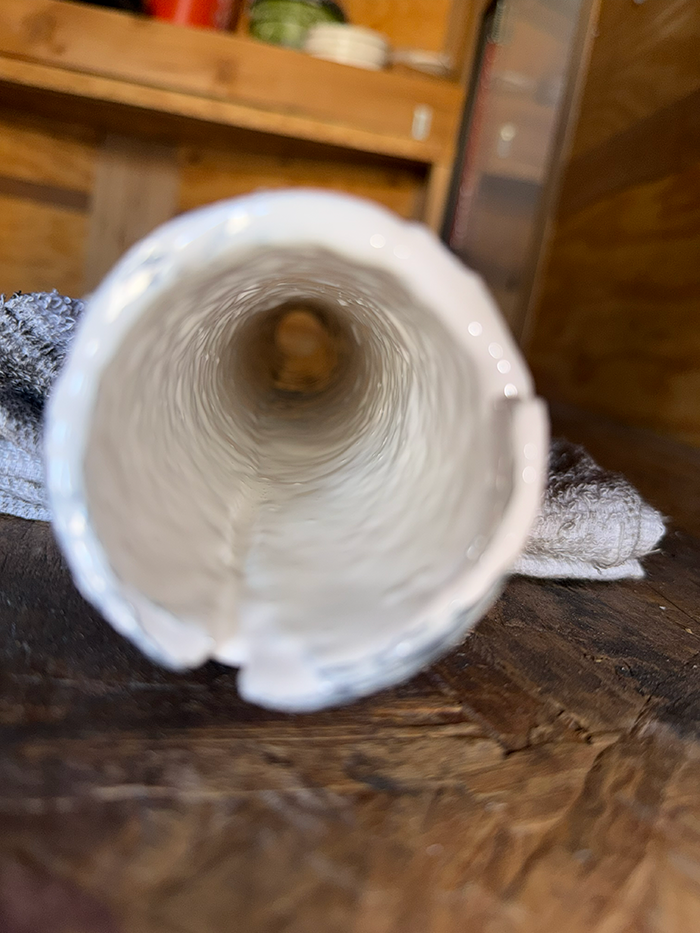
While trenchless pipe lining is often discussed as a single solution, the specific method used depends on the pipe material, condition, and structural integrity.
Cast Iron Pipe Lining
Many older homes throughout the DFW metroplex were built with cast iron sewer systems. Over time, these pipes can develop interior corrosion that restricts flow and contributes to recurring backups. Cast iron pipe lining reinforces the existing pipe from the inside, extending its lifespan without excavation—an important benefit for slab-on-grade homes.
Epoxy Pipe Lining
Epoxy pipe lining refers to the resin-based process used to seal and reinforce damaged pipes. This method creates a smooth, joint-free interior surface that helps prevent leaks, reduce root intrusion, and slow future deterioration. This method is often chosen as a long-term solution for aging sewer systems.
Cured-In-Place Pipe (CIPP) Lining
Cured-in-place pipe, commonly called CIPP, forms a new structural pipe within the original one using a resin-saturated liner. CIPP lining is frequently recommended when sewer lines need additional structural reinforcement without full replacement.
All of these methods fall under the broader category of trenchless sewer repair. A professional inspection determines which approach is most appropriate for the condition and material of the pipe.
How Does Trenchless Sewer Repair Work?
For many homeowners, the trenchless pipe lining process sounds complex at first, but it’s actually designed to minimize disruption while delivering reliable results. Rather than excavating and replacing the pipe, technicians repair the line from the inside using a proven step-by-step approach.
In general, trenchless pipe lining follows this process:
- Video inspection to evaluate the condition of the sewer line
- Pipe cleaning and preparation to remove debris, buildup, or roots
- Liner installation inside the existing pipe
- Curing to harden the liner into a structural pipe
- Final inspection to confirm proper installation
This process explains how trenchless sewer line repair works without excavation or disruption to the property above. In many cases, the system can be returned to normal use the same day.
Does Trenchless Sewer Repair Work?
It’s a reasonable question for homeowners to ask, especially when the process sounds less invasive than traditional methods.
When used in the right conditions, trenchless pipe lining is a proven and effective solution. It has been used successfully for decades in residential, commercial, and municipal applications. Trenchless repair works best when pipes have deterioration or damage but have not collapsed entirely.
A professional inspection is essential to determine whether trenchless repair is appropriate. In some situations, traditional replacement may still be necessary—but many sewer systems qualify for lining.
How Long Does Trenchless Sewer Repair Last?
Another common question is how long does trenchless sewer repair last.
When properly installed, trenchless pipe lining can last 50 years or more. The cured epoxy liner resists corrosion, root intrusion, and common sewer gases. Because the finished pipe is seamless and joint-free, it also reduces the likelihood of future leaks or blockages.
Longevity depends on proper preparation, quality materials, and experienced installation.
Why Dallas Homeowners Choose Trenchless Pipe Lining
For homes throughout Dallas and North Texas, trenchless pipe lining offers a practical alternative to excavation. It minimizes property disruption, shortens repair timelines, and reduces the need for costly restoration work.
Rather than removing and replacing pipes from the outside, trenchless repair restores functionality from within—preserving the surfaces above while reinforcing the system below.
At Trenchless Pipe Lining, the focus is on helping homeowners understand their options and choose the least invasive, most effective solution for their situation. Learning how the process works and what to expect is often the first step toward making an informed decision.
A great way to reach us!