
Does Insurance Cover Trenchless Pipe Lining Sewer Repair?

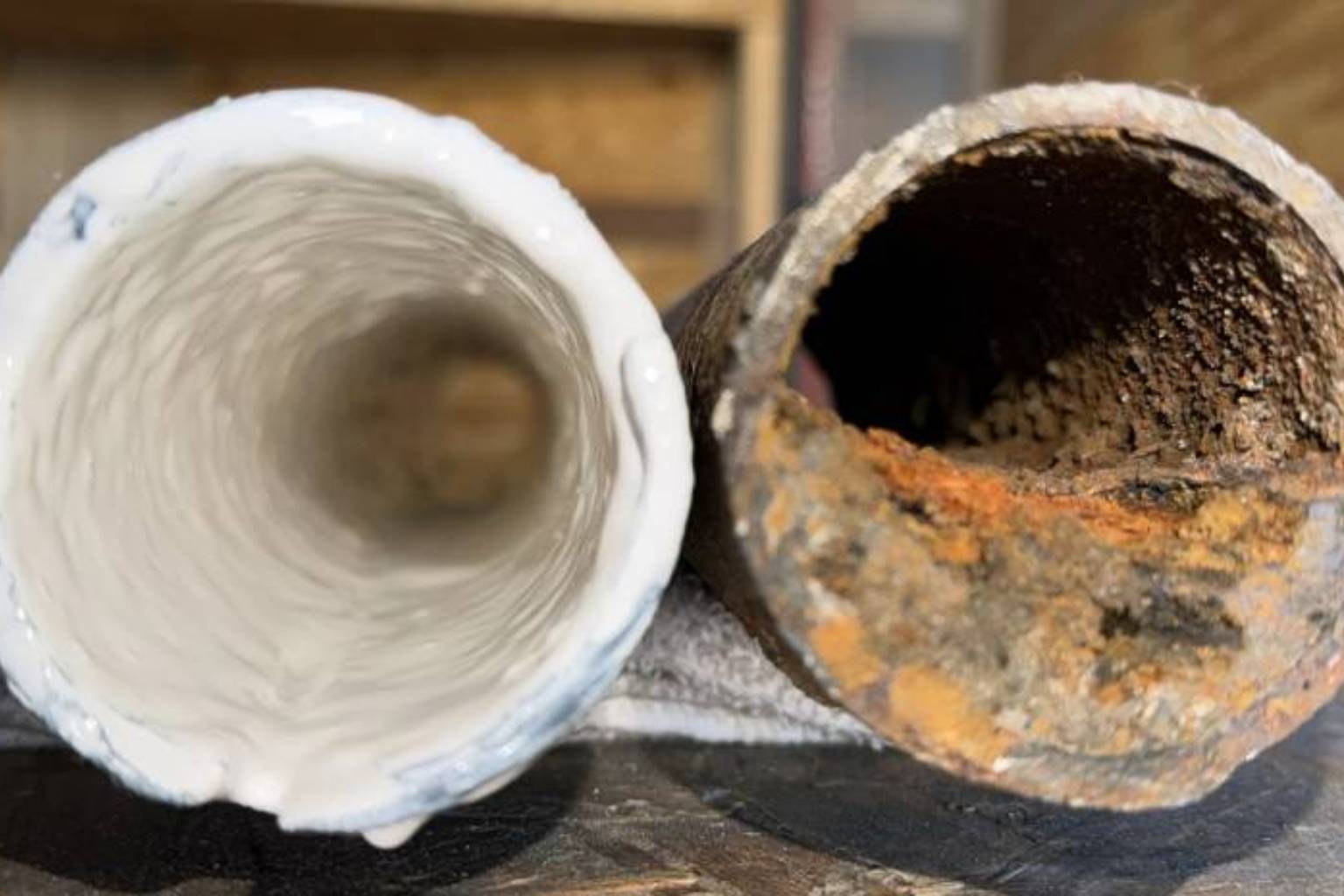
Sewer line problems can quickly turn into expensive repairs—especially in older homes with aging pipes. One of the most common questions homeowners ask is: does insurance cover trenchless pipe lining sewer repair?
The answer depends on several factors, including the cause of the damage, your policy coverage, and the condition of your existing pipes. Below, we’ll break down how insurance applies to sewer repairs, when trenchless pipe lining may be covered, and what homeowners in Dallas should know before filing a claim.
When Does Homeowners Insurance Cover Sewer Pipe Repair?
In general, homeowners insurance may cover sewer pipe repair if the damage is sudden and accidental.
This can include situations such as:
- A pipe failure that causes immediate water damage
- A sudden backup or overflow
- Damage caused by a covered event (like a storm or accident)
If your sewer issue leads to visible damage—such as water-damaged drywall, flooring, or cabinetry—there’s a stronger chance your claim may be considered.
However, insurance typically does not cover gradual deterioration, which is important for many older homes in the Dallas–Fort Worth area.
When Is Sewer Pipe Repair NOT Covered?
Most insurance policies exclude damage caused by:
- Normal wear and tear
- Corrosion over time
- Aging cast iron pipes
- Lack of maintenance
This is especially relevant for homes built before 1975, where cast iron drain lines are common. Over time, these pipes can corrode internally, leading to slow drains, backups, and eventual failure.
If the issue developed gradually, the repair itself may not be covered—even if the resulting damage inside the home is.
Does Insurance Cover Trenchless Pipe Lining?
This is where things get more nuanced.
Insurance companies typically don’t approve or deny a claim based on how the pipe is repaired (traditional excavation vs. trenchless). Instead, they focus on why the damage occurred.
If the claim is approved, trenchless pipe lining may be used as a repair method—especially if it is:
- Cost-effective compared to excavation
- Less disruptive to the property
- A viable long-term solution
In many cases, trenchless pipe lining is actually preferred because it restores the pipe without tearing up floors, foundations, or landscaping.
To better understand how this process works, you can read our guide on what trenchless pipe repair is and how it works, which explains how pipes are restored from the inside without excavation.
Signs Your Sewer Pipe Issue May Qualify for Coverage
If you’re experiencing sewer problems, the following signs may indicate a situation worth discussing with your insurance provider:
- Frequent backups or overflows in sinks, tubs, or toilets
- Slow drains throughout the home
- Water damage to drywall, flooring, or cabinetry
- Persistent sewer odors
- Unexplained increases in your water bill
If these issues appear suddenly or lead to visible property damage, there may be a stronger case for coverage.
Insurance Companies That May Offer Coverage
While coverage varies by policy, several major providers may offer some level of protection depending on the circumstances:
- State Farm
- Allstate
- Farmers Insurance
- Nationwide
- Liberty Mutual
- Progressive
- USAA (for military members and their families)
- Travelers Insurance
- American Family Insurance
- The Hartford
It’s important to note that coverage details vary widely, even within the same company. Policy endorsements, add-ons, and exclusions all play a role.
The best next step is to review your policy or speak directly with your insurance agent to understand what is—and isn’t—covered.
Why Trenchless Pipe Lining Is Often the Best Solution
Even when insurance coverage is limited, many homeowners choose trenchless pipe lining because it offers a faster, less invasive alternative to traditional pipe replacement.
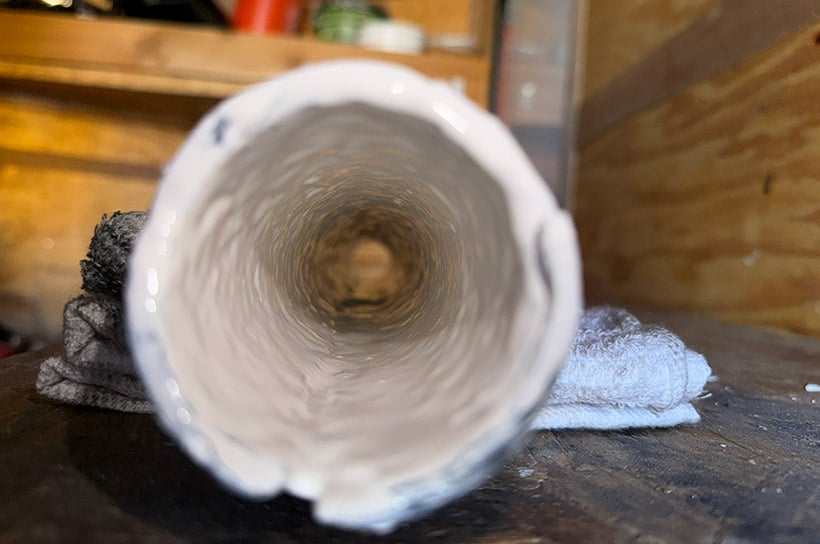
With trenchless methods like Cured-In-Place Pipe (CIPP) lining, pipes can often be restored in just a few days—without excavation or major disruption to your property.
Depending on your situation, solutions such as:
may be appropriate based on the condition and material of your pipes.
A professional inspection is the best way to determine the right approach.
What Should You Do Next?
If you’re dealing with sewer line issues and wondering whether insurance will help cover the cost, the first step is to confirm the cause of the problem.
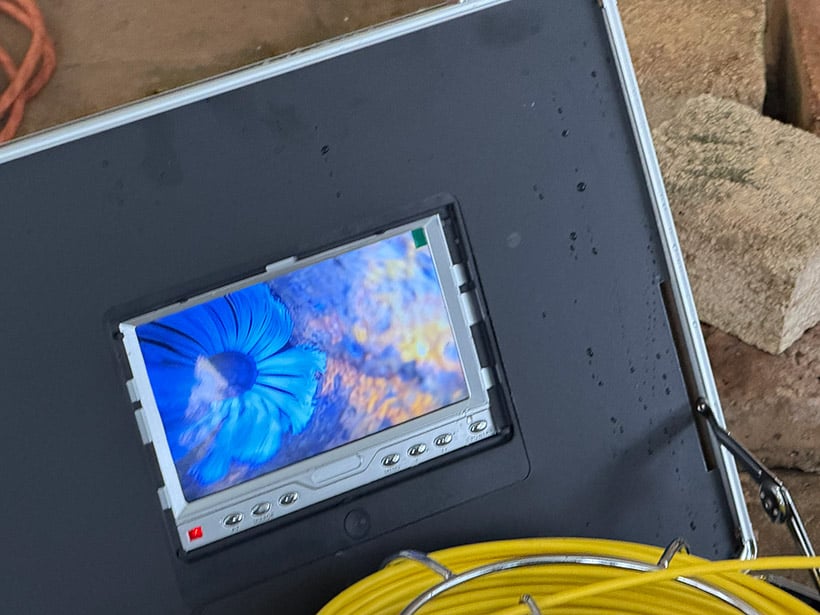
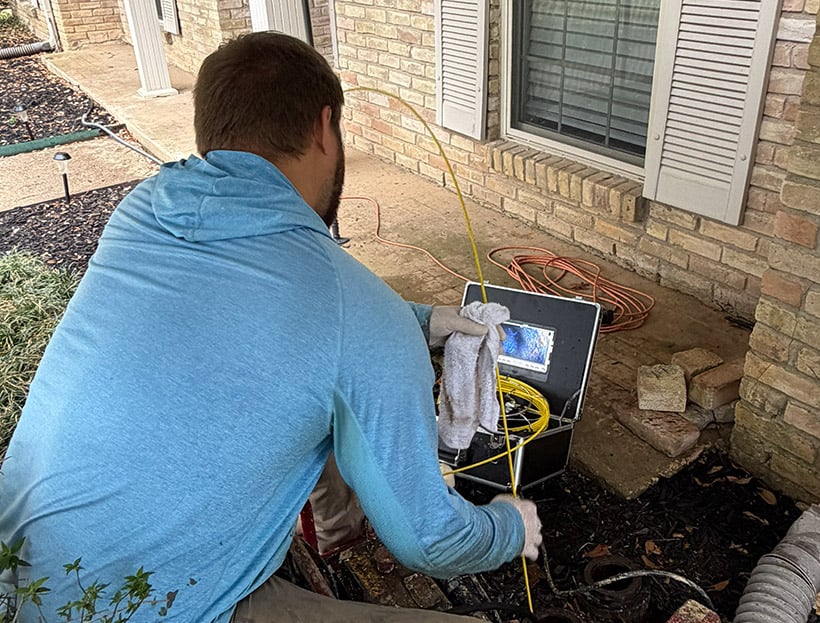
A qualified inspection can help:
- Identify whether the damage is sudden or gradual
- Provide documentation for a potential insurance claim
- Determine whether trenchless repair is a viable option
At Trenchless Pipe Lining, we help homeowners throughout Dallas–Fort Worth evaluate their sewer line issues and understand their options—whether that includes insurance, trenchless repair, or both.
Understanding Your Coverage—and Your Options
So, does insurance cover trenchless pipe lining sewer repair?
Sometimes—but it depends on the cause of the damage and the details of your policy. While insurance may cover certain situations, many sewer line issues fall outside standard coverage due to age or gradual deterioration. In some cases, however, homeowners have been able to complete trenchless pipe lining repairs with little to no out-of-pocket cost when their insurance claims were approved and fully funded.
The good news is that trenchless pipe lining offers a modern, efficient solution—one that restores your pipes without the disruption of traditional excavation.
A great way to reach us!