
Benefits of Trenchless Sewer Line Repair vs. Traditional Repair in Dallas–Fort Worth

When a sewer line problem appears, many homeowners assume the only solution is excavation—digging up the yard, breaking through concrete, and replacing the pipe entirely. While that was once the standard approach, modern trenchless technology has changed how sewer repairs are handled.
Today, homeowners across Dallas–Fort Worth are comparing trenchless sewer line repair vs. traditional repair methods to understand which option makes the most sense for their home. The differences come down to four key factors: cost, time, disruption, and impact on your property.
What Is Traditional Sewer Line Repair?
Traditional sewer repair involves excavating the area around the damaged pipe to remove and replace it. This process typically includes digging trenches, accessing the pipe system directly, and rebuilding the affected areas once the repair is complete.
Depending on the location of the pipe, this can mean breaking through driveways, sidewalks, or even slab foundations inside the home. While effective, this method can be labor-intensive and highly disruptive.
What Is Trenchless Sewer Line Repair?
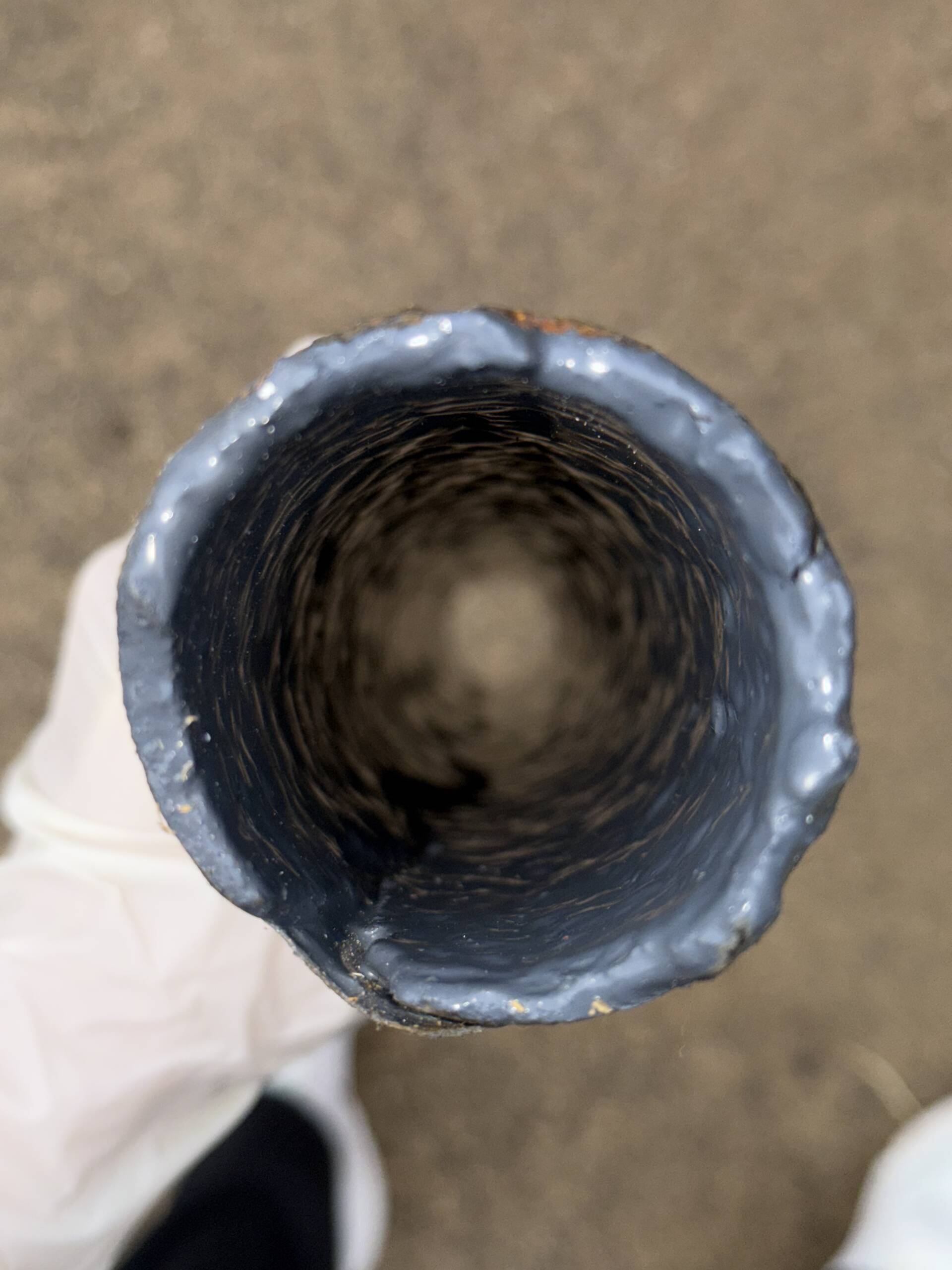
Trenchless sewer repair restores damaged pipes from the inside, without the need for large-scale excavation.
Methods like Cured-In-Place Pipe (CIPP) lining and epoxy pipe lining create a new, durable pipe within the existing structure. This approach allows technicians to repair sewer lines while leaving your property largely intact.
If you’d like a deeper understanding of the process, you can explore how trenchless pipe lining works.
Cost: How Trenchless and Traditional Repair Compare
When comparing trenchless and traditional sewer repair methods, cost is often one of the first factors homeowners consider.
Traditional repair doesn’t just involve replacing the pipe—it also includes demolition, excavation, and restoring the affected areas afterward. These additional steps can significantly increase the overall cost of the project.
Trenchless repair eliminates much of that work. By restoring the pipe internally, the process is typically more efficient and often more cost-effective—especially when factoring in avoided restoration expenses.
For a real-world example of how these cost differences play out in Dallas homes, see our breakdown of trenchless pipe repair for cast iron sewer lines under slab foundations.
Time: How Long Each Repair Method Takes
Time is another major factor when evaluating your options.
Traditional sewer repair can take several weeks or longer, depending on excavation scope, weather conditions, and how much rebuilding is required after the pipe is replaced.
Trenchless sewer repair is typically completed in just a few days.
Because there is little to no digging involved, the process is more streamlined and predictable—allowing homeowners to return to normal use much faster.
Disruption: What to Expect During the Repair
For many homeowners, disruption is just as important as cost and timeline.
Traditional repair can involve breaking through flooring, removing sections of the home, and excavating large areas of the yard. In some cases, homeowners may need to temporarily relocate during the project.
Trenchless repair offers a much less invasive experience.
Because the repair is completed internally, most of the home remains untouched. While there may be short periods where plumbing use is limited, the overall impact on daily life is significantly reduced.
Impact on Your Yard, Driveway, and Foundation
One of the biggest differences between trenchless and traditional repair is the impact on your property.
Excavation can leave behind:
- Damaged landscaping
- Broken driveways or walkways
- Structural repairs inside the home
Trenchless repair avoids most of these issues by working through existing access points. This makes it especially beneficial for homes with established landscaping, outdoor living areas, or finished interiors.
Which Option Is Right for Your Home?
Not every sewer issue requires excavation—and not every pipe is a candidate for trenchless repair. The right solution depends on the condition of your system and the extent of the damage.
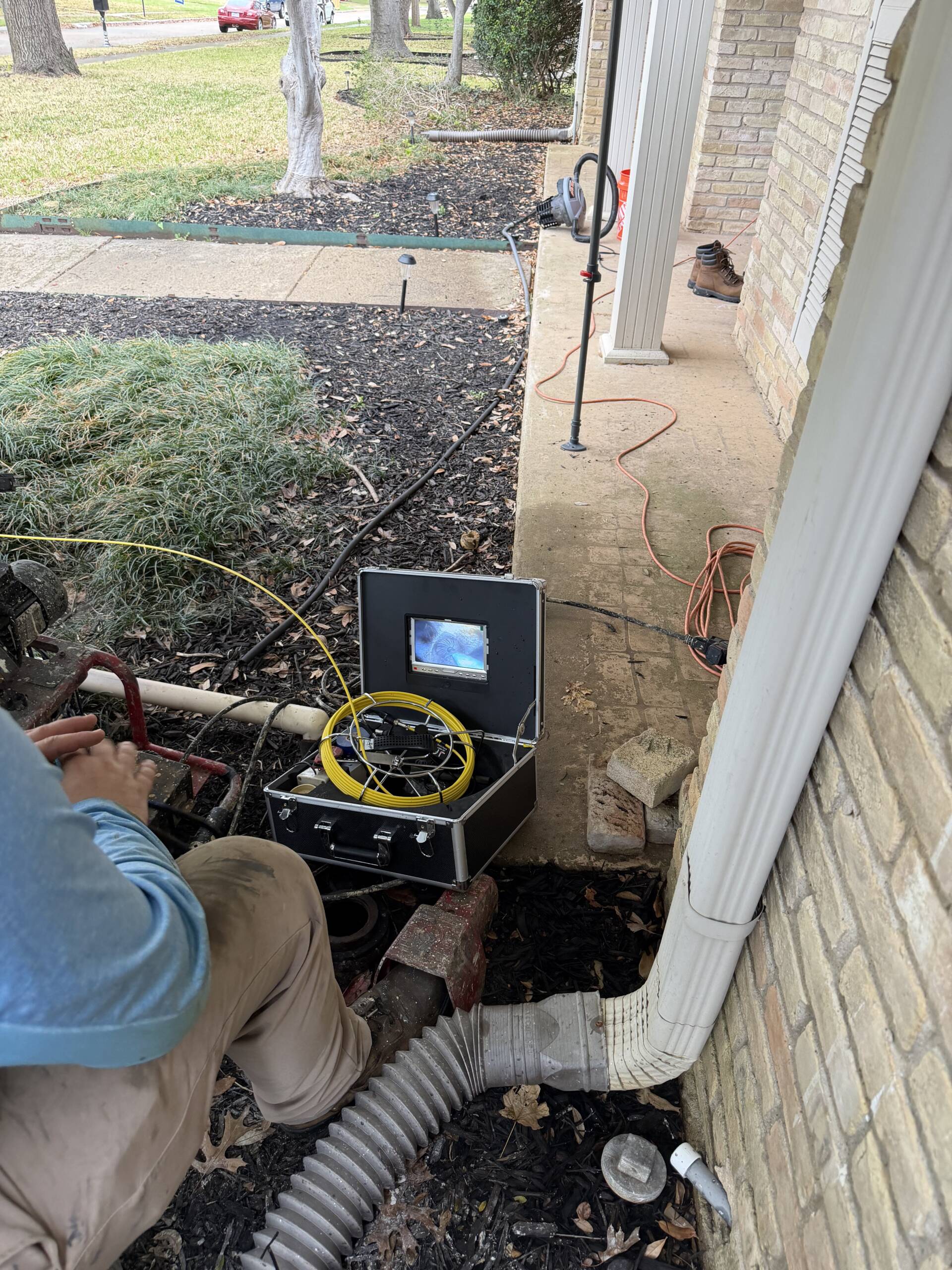
A professional inspection is the best way to determine whether trenchless repair is a viable option and how it compares to traditional methods for your specific situation.
Frequently Asked Questions About Trenchless Sewer Repair
Is trenchless sewer repair as durable as traditional replacement?
Yes. When properly installed, trenchless pipe lining creates a strong, corrosion-resistant pipe that can last for decades—often comparable to or longer than traditional materials.
Can trenchless repair be used on older sewer systems?
In many cases, yes. As long as the pipe has not completely collapsed, trenchless repair can often restore aging systems without the need for full replacement.
Will trenchless sewer repair damage my yard or home?
No. One of the main advantages of trenchless repair is that it minimizes disruption. Most repairs are completed without digging up your yard or breaking through your home’s structure.
A Smarter Way to Compare Sewer Repair Options in Dallas
When comparing your repair options, trenchless solutions often provide a faster, more efficient path forward—especially for homes in the Dallas–Fort Worth area.
At Trenchless Pipe Lining, we help homeowners evaluate their sewer systems and choose the right repair method based on their specific needs. Using advanced inspection tools and proven trenchless techniques, we focus on delivering solutions that minimize disruption while restoring long-term performance.
If you’re dealing with sewer line issues and want to better understand your options, schedule a free estimate today to get a clear, professional assessment of your system and the best path forward for your home.
A great way to reach us!